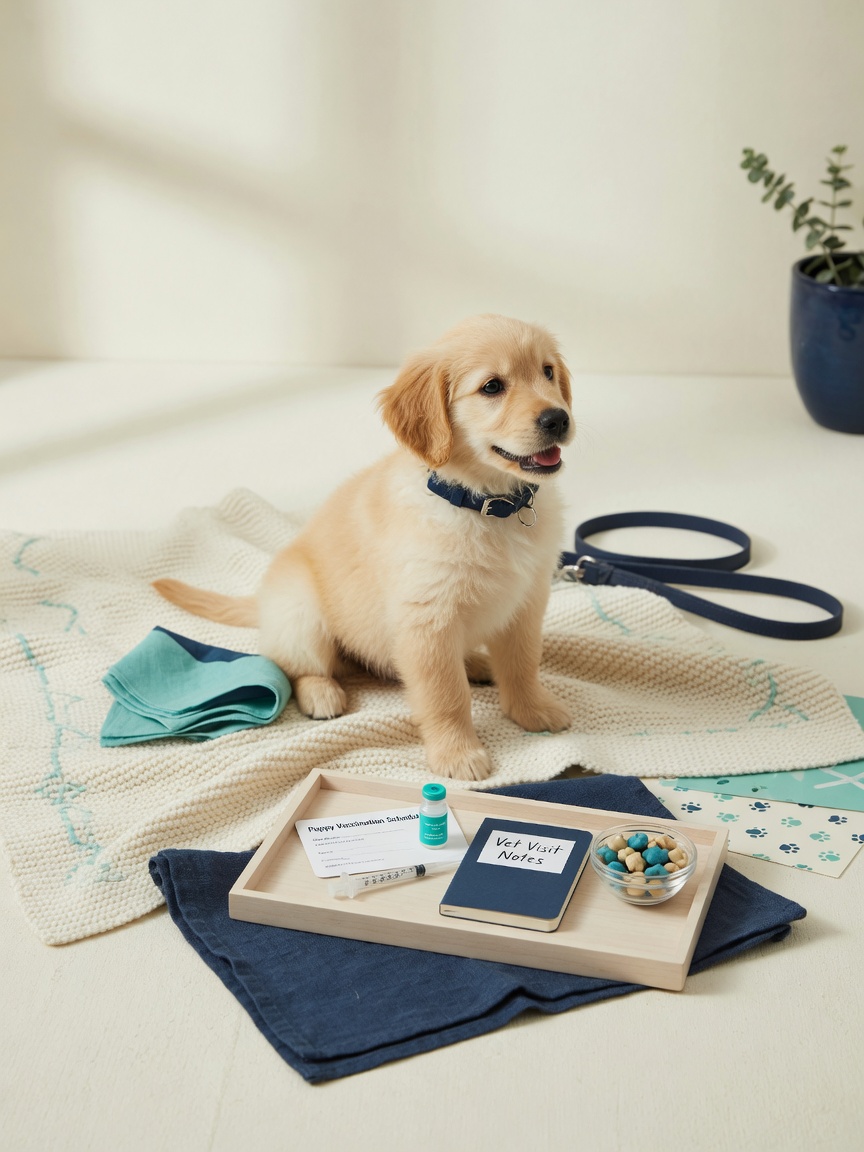
Puppy Vaccination Schedule
Disclosure: Honest Pet Care participates in affiliate programs. We may earn a commission if you buy through our links, at no extra cost to you.
Bringing home a new puppy is exciting, but protecting their health starts right away. With pet ownership on the rise—up 20% since 2020 according to recent industry data—more owners are realizing that skipping or delaying vaccines leaves puppies vulnerable to serious, often fatal diseases like parvovirus and distemper. A clear puppy vaccination schedule helps prevent these risks and sets your dog up for a long, healthy life.
Why Timely Vaccinations Matter for Your Puppy
Puppies are born with some natural immunity from their mother, but it fades quickly, usually by 8–12 weeks of age. Without protection, common viruses can spread through parks, pet stores, or even your own backyard via contaminated surfaces. Vaccinations train the immune system to recognize and fight these threats before they cause harm. Starting on schedule reduces hospitalization risk dramatically and supports overall community health by lowering disease outbreaks.
Core Vaccines Every Puppy Needs
Core vaccines protect against widespread, dangerous illnesses that every dog should receive regardless of lifestyle. These typically include:
- Distemper
- Parvovirus
- Adenovirus (hepatitis)
- Rabies (required by law in most areas)
Non-core vaccines, such as Bordetella for kennel cough or Lyme disease, depend on your puppy’s environment and activities. Your vet will help tailor the list during the first visit.
Recommended Puppy Vaccination Schedule
Most veterinarians follow a standard timeline that begins around 6–8 weeks and continues through the first year. Here is a practical breakdown:
- 6–8 weeks: First distemper-parvo combination shot
- 10–12 weeks: Second round of core vaccines plus any non-core options
- 14–16 weeks: Final puppy booster and rabies vaccine
- 1 year: Booster shots to confirm full immunity
After the initial series, most adult dogs need vaccines every 1–3 years. Always bring your puppy’s records to each appointment so the vet can adjust timing if needed.
What Happens at Vaccination Appointments
Expect a quick exam before any shots. The vet will check weight, temperature, and overall alertness, then administer the vaccines—usually as simple injections. The entire visit lasts 15–30 minutes. Bring a favorite toy or treat to create positive associations. After the appointment, monitor your puppy at home for 24–48 hours and note any changes in appetite or energy.
Tips for a Smooth Vaccination Experience
Schedule appointments for the morning when your puppy is rested. Keep a digital or paper calendar with reminders set two weeks ahead of due dates. If your dog seems nervous, ask about calming treats or pheromone sprays. For multi-pet homes, vaccinate one puppy at a time so you can focus on aftercare. Staying consistent with the schedule prevents gaps in protection that could require restarting the series.
Frequently Asked Questions
When should I start vaccinating my puppy?
Begin the first round of core vaccines between 6 and 8 weeks of age, following your vet’s guidance based on the puppy’s health and breed.
Are there side effects I should watch for?
Mild soreness or low energy for a day is common. Contact your vet if you notice swelling, vomiting, or difficulty breathing.
How much do puppy vaccines typically cost?
Expect $100–$300 for the full initial series, depending on location and whether non-core vaccines are included.
A well-planned puppy vaccination schedule gives you peace of mind and keeps your new family member thriving. Work closely with your veterinarian, stay organized with reminders, and enjoy watching your puppy grow into a healthy adult dog.
We may earn a small commission if you purchase through our links — at no extra cost to you.
Check prices on Amazon