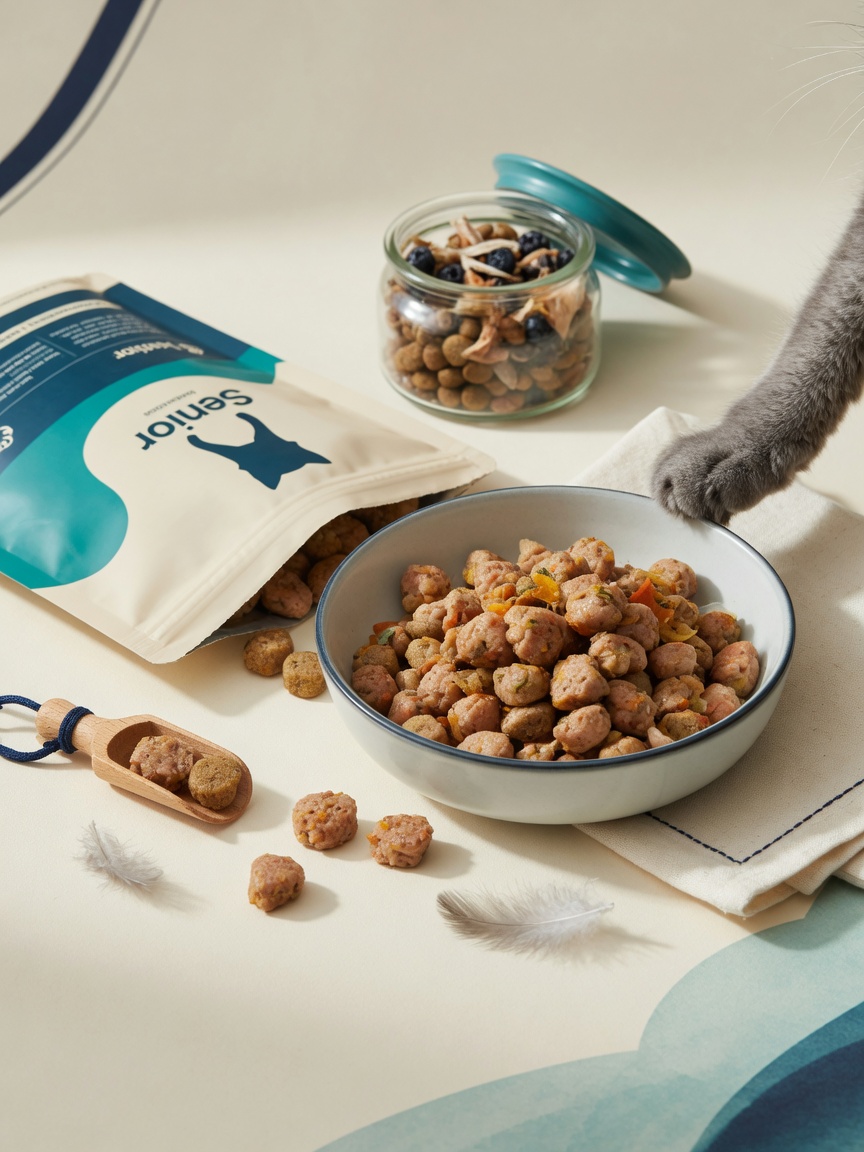
Best Senior Cat Food: A 2026 Buyer’s Guide
Disclosure: Honest Pet Care participates in affiliate programs. We may earn a commission if you buy through our links, at no extra cost to you.
Senior cats often need adjusted nutrition to support joint health, kidney function, and easier digestion as metabolism slows. Many owners search for these formulas when their cats reach age 7 or show signs like reduced activity or dental issues. Searches for “senior cat food” rose about 28% year-over-year according to recent pet-industry data.
Quick Picks
| Product | Why it wins |
|---|---|
| Hill's Science Diet Senior 7+ | Clinically tested for easy digestion and balanced minerals |
| Purina Pro Plan Senior 7+ | High protein to help maintain lean muscle |
| Royal Canin Aging 12+ | Precise kibble size for aging dental needs |
| Blue Buffalo Healthy Aging | Added glucosamine plus natural ingredients |
| Iams Proactive Health Senior | Affordable option with omega-3 support |
What to Look For
- At least 28–32% protein from named animal sources to preserve muscle.
- Moderate calorie density (around 350–400 kcal per cup) to prevent weight gain.
- Added joint support such as glucosamine, chondroitin, or omega-3 fatty acids.
- Controlled phosphorus levels (under 0.8% on dry-matter basis) for long-term kidney health.
What to Avoid
- Foods loaded with corn, wheat, or soy as primary ingredients.
- Excessive vitamin A or unbalanced mineral profiles that can stress kidneys.
- Marketing claims without AAFCO statements for “adult maintenance” or “all life stages.”
Product Reviews
Hill's Science Diet Senior 7+
Pros: Highly digestible formula, supported by feeding trials, widely available.
Cons: Contains some by-product meal; not ideal for cats with severe food sensitivities.
Purina Pro Plan Senior 7+
Pros: Strong protein content, includes prebiotic fiber for gut health, good value in larger bags.
Cons: Kibble may be too large for cats with few teeth; some owners report loose stools during transition.
Blue Buffalo Healthy Aging
Pros: Includes LifeSource Bits with antioxidants, added joint supplements, no artificial colors.
Cons: Higher price point; some batches have shown inconsistent kibble size.
FAQ
When should I switch my cat to senior food?
Most veterinarians recommend transitioning between ages 7 and 10, or sooner if bloodwork shows kidney changes.
Is wet food better than dry for seniors?
Wet food often provides extra moisture helpful for urinary and kidney health, but a high-quality dry senior formula works if your cat drinks well.
Can I mix senior and adult food?
Yes, gradual mixing over 7–10 days helps avoid digestive upset while you assess tolerance.
Bottom Line Recommendation
Choose Hill's Science Diet Senior 7+ or Purina Pro Plan Senior 7+ for most cats; both deliver proven nutrition at reasonable cost. Always consult your veterinarian before making a permanent switch, especially if your cat has diagnosed health conditions.
We may earn a small commission if you purchase through our links — at no extra cost to you.
Check prices on Amazon