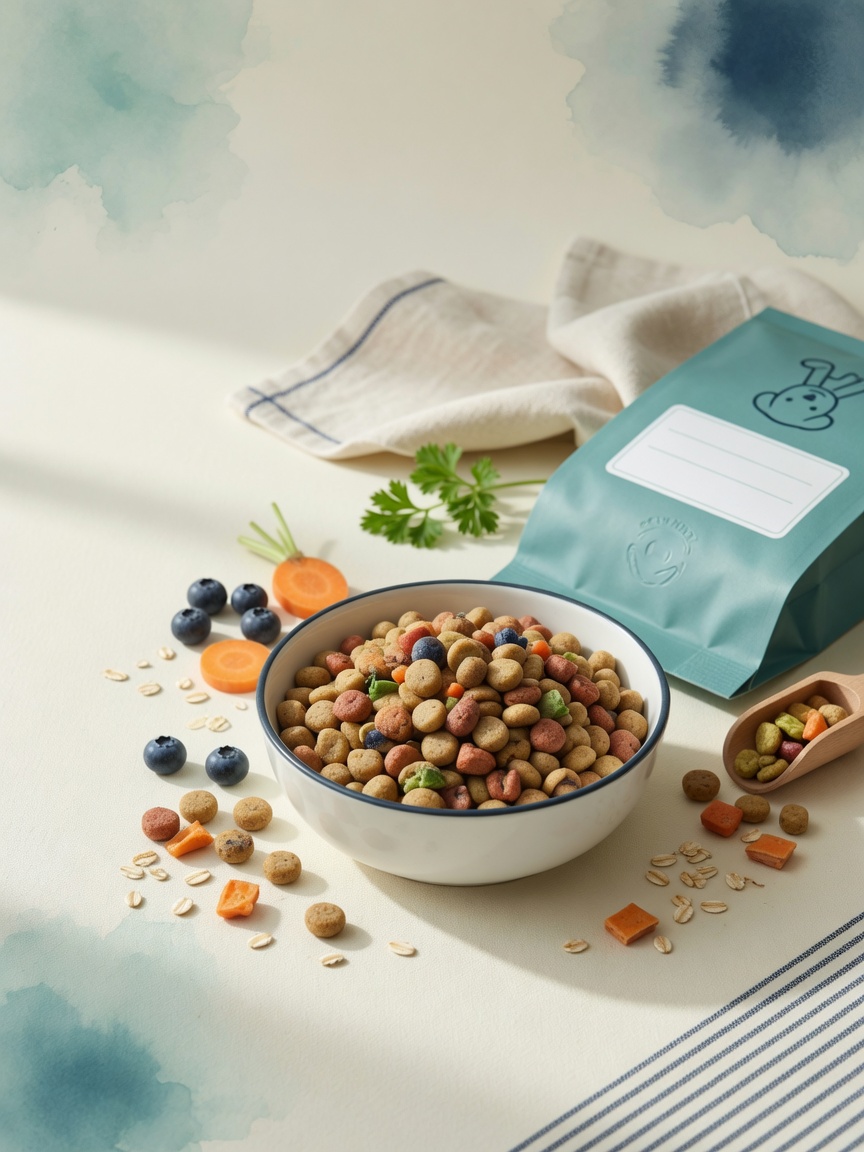
Best Puppy Food: A 2026 Buyer’s Guide
Disclosure: Honest Pet Care participates in affiliate programs. We may earn a commission if you buy through our links, at no extra cost to you.
Puppy owners search for food that supports rapid growth, strong immunity, and digestive health during the first year. Interest in targeted puppy nutrition continues to climb, with related search volume rising roughly 22% year-over-year.
Quick Picks
| Product | Why it wins |
|---|---|
| Purina Pro Plan Shredded Blend Puppy | Clinically proven probiotics and balanced DHA for brain development |
| Royal Canin Puppy | Precise kibble size and breed-specific formulas for targeted growth |
| Hill's Science Diet Puppy | Vet-endorsed antioxidants and controlled mineral levels |
| Blue Buffalo Life Protection Puppy | Natural ingredients plus added vitamins from real fruits and vegetables |
| Orijen Puppy | High fresh-meat content and biologically appropriate protein levels |
What to Look For
- AAFCO statement confirming the food is formulated for growth or all life stages
- First two ingredients as named meat sources for adequate protein
- Added DHA and balanced calcium-phosphorus ratios to support bones and cognition
- Digestibility markers such as prebiotics or moderate fiber levels
What to Avoid
- Vague “meat by-products” or excessive corn/wheat fillers as primary ingredients
- Artificial colors, flavors, or preservatives with no nutritional benefit
- Foods lacking clear feeding guidelines for puppy life stages
Product Reviews
Purina Pro Plan Shredded Blend Puppy
Pros: Includes live probiotics for stool quality, strong research backing, widely available.
Cons: Contains some chicken by-product meal, which may not suit owners seeking minimal processing.
Blue Buffalo Life Protection Puppy
Pros: Real deboned chicken first, plus antioxidant-rich produce; no poultry by-product meal.
Cons: Larger kibble size can be difficult for very small breeds to chew.
Royal Canin Puppy
Pros: Tailored kibble shapes and precise nutrient ratios for different breed sizes.
Cons: Higher price point and some formulas rely on brewers rice as a secondary carb.
FAQ
How often should I feed my puppy?
Most puppies do well on three meals daily until six months, then two meals thereafter. Follow the bag’s weight-based chart and adjust for activity level.
When should I switch to adult food?
Large breeds transition around 12–18 months; small breeds closer to 9–12 months. Move gradually over 7–10 days to avoid stomach upset.
Are grain-free diets necessary?
Only if your puppy has a diagnosed grain allergy. Otherwise, grains provide useful energy and fiber for most growing dogs.
Bottom Line
Purina Pro Plan Shredded Blend Puppy offers the best combination of proven nutrition, digestive support, and value for the majority of puppies. Start there, match the formula to your dog’s size, and consult your veterinarian for personalized adjustments.
We may earn a small commission if you purchase through our links — at no extra cost to you.
Check prices on Amazon