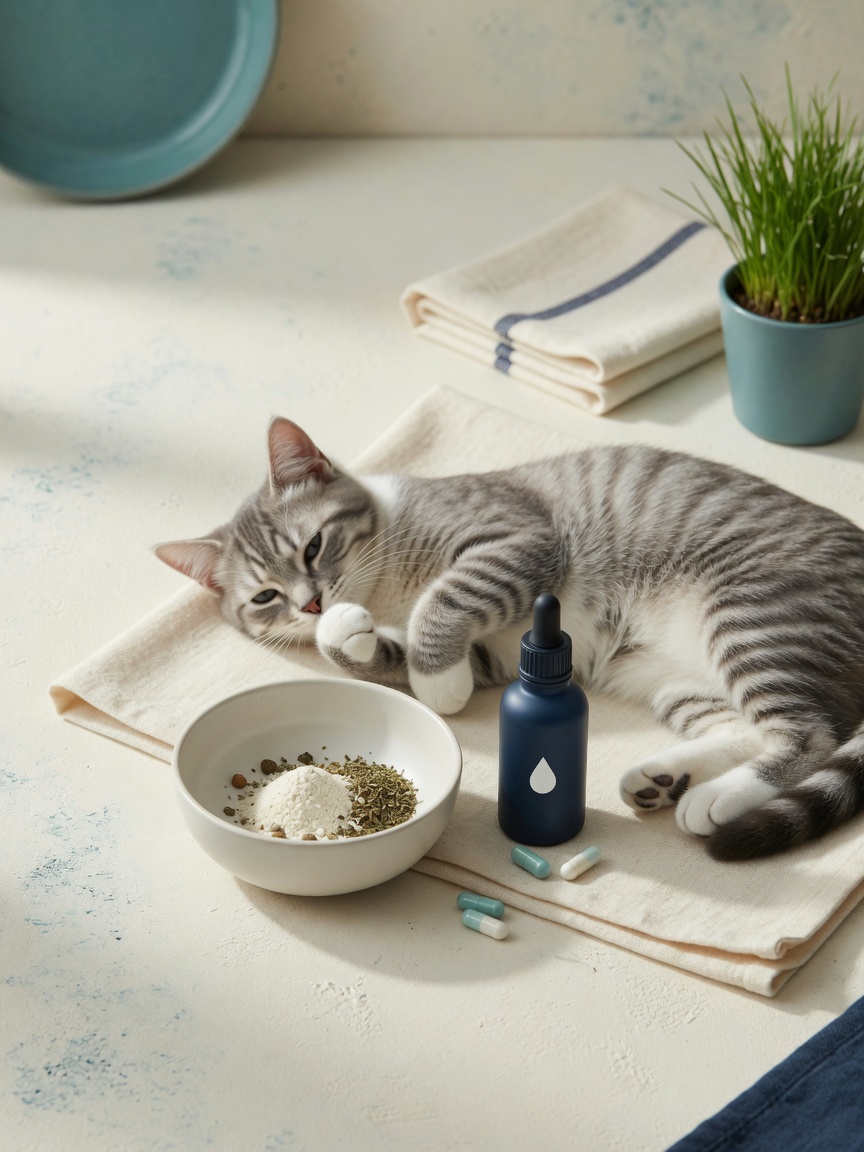
Best Probiotics for Cats
Disclosure: Honest Pet Care participates in affiliate programs. We may earn a commission if you buy through our links, at no extra cost to you.
Digestive troubles rank among the top reasons cat owners visit the vet, with studies showing that nearly one in three cats experiences occasional diarrhea, constipation, or upset stomach. As more pet parents seek gentle, drug-free ways to support gut health, probiotics have become a popular daily addition to feline routines. The right probiotic can help restore balance to your cat’s intestinal flora, ease digestive discomfort, and even support immune function.
Why Probiotics Matter for Cats
A cat’s gut contains trillions of bacteria that aid digestion, produce vitamins, and defend against harmful pathogens. Stress, antibiotics, dietary changes, or illness can disrupt this delicate ecosystem, leading to loose stools, gas, or poor nutrient absorption. Probiotics introduce beneficial live bacteria that crowd out the troublemakers and help restore order. Many veterinarians now recommend them as part of a long-term wellness plan rather than only during acute episodes.
Key Benefits of Probiotics for Cats
Regular use of a quality probiotic may deliver several noticeable improvements:
- Firmer, more consistent stools
- Reduced flatulence and bloating
- Better appetite and nutrient uptake
- Fewer episodes of stress-related diarrhea during travel or vet visits
- Support for skin and coat health through the gut-skin axis
Because cats are obligate carnivores with relatively short digestive tracts, they benefit most from strains specifically studied in felines, such as Enterococcus faecium and certain Bifidobacterium species.
Top Probiotics for Cats
When choosing a supplement, look for products with guaranteed live cultures, clear feeding instructions, and positive feedback from both owners and veterinarians. Here are five well-regarded options:
FortiFlora remains a favorite because it combines a researched strain of Enterococcus faecium with a palatable liver flavor that even picky cats accept. Many owners notice firmer stools within three to five days.
Proviable offers a multi-strain formula available in both capsules and a tasty paste. The dual approach lets you start with the paste during acute upset and switch to capsules for daily maintenance.
VetriScience Fast Balance-GI delivers a concentrated blend of probiotics, prebiotics, and enzymes in single-serve packets that mix easily into wet food.
WhiskerBiome focuses on spore-forming Bacillus strains that survive stomach acid well, making it a good choice for cats that need consistent daily support without refrigeration.
Feline-specific powder from Standard Process provides a gentle, food-based option often recommended by holistic veterinarians for long-term use.
How to Choose and Introduce Probiotics
Start by matching the product to your cat’s needs. For antibiotic recovery, choose a higher CFU count with multiple strains. For daily maintenance, a moderate dose with prebiotics is usually sufficient. Always check the expiration date and storage requirements.
Introduce the probiotic gradually over three to four days to minimize temporary gas or softer stools. Mix the recommended amount into a small portion of wet food or a favorite treat so your cat associates the new flavor positively. Track stool quality, appetite, and energy in a simple notebook for the first two weeks.
If your cat has a chronic condition such as inflammatory bowel disease, consult your veterinarian before starting any supplement. Some cats may need a prescription-strength product or additional diagnostics.
Common Mistakes to Avoid
Many owners stop the probiotic as soon as stools improve, but beneficial bacteria need consistent replenishment. Others select human formulas that contain unnecessary sugars or strains not studied in cats. Finally, avoid leaving the container in a warm spot; heat kills live cultures and reduces effectiveness.
FAQ
How long does it take for probiotics to work in cats?
Most cats show improved stool consistency within 3–7 days, though full gut balance can take two to four weeks of daily use.
Can I give my cat a human probiotic?
Human products often contain strains and dosages not tested in felines and may include ingredients cats should avoid. Stick to formulas made specifically for cats.
Do probiotics need to be given with food?
Yes. Mixing the powder or capsule contents with a small amount of wet food improves palatability and helps the bacteria reach the intestines safely.
Final Thoughts
Adding a high-quality probiotic to your cat’s daily routine is a simple, low-risk step that can yield noticeable digestive and overall wellness benefits. Pay attention to your individual cat’s response, maintain open communication with your veterinarian, and choose products with transparent labeling and researched strains. With consistent use, many cats enjoy fewer tummy troubles and a happier, healthier life.
We may earn a small commission if you purchase through our links — at no extra cost to you.
Check prices on Amazon