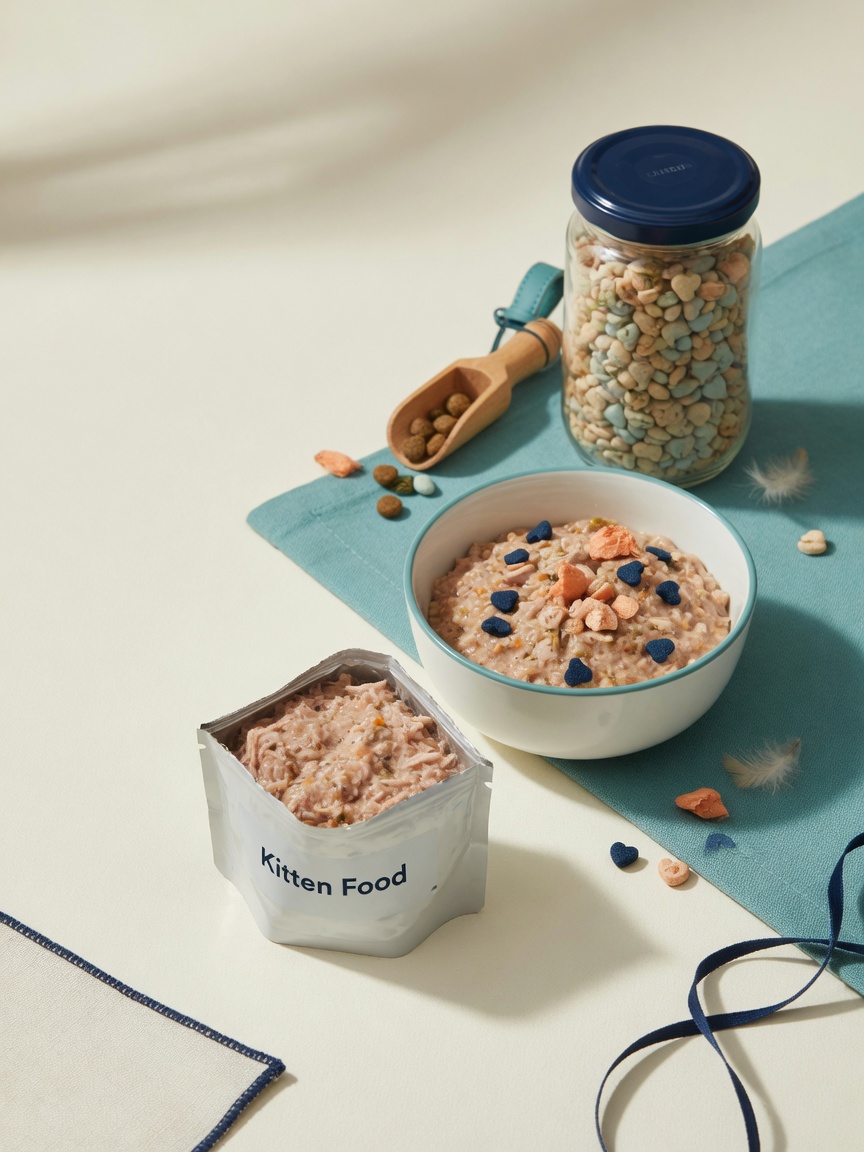
Best Kitten Food: A 2026 Buyer’s Guide
Disclosure: Honest Pet Care participates in affiliate programs. We may earn a commission if you buy through our links, at no extra cost to you.
Kitten owners search for food that supports rapid growth, strong immunity, and healthy development during the first year. Google data shows searches for “kitten food” rose 24% year-over-year in 2025 as more households adopted cats.
Quick Picks
| Product | Why it wins |
|---|---|
| Royal Canin Kitten | Precise kibble size and breed-specific formulas |
| Purina Pro Plan Kitten | Added probiotics and DHA for brain support |
| Hill's Science Diet Kitten | Clinically tested nutrients for immunity |
| Blue Buffalo Wilderness Kitten | High-protein, grain-free recipe |
| Wellness CORE Kitten | Real meat first with balanced minerals |
What to Look For
- AAFCO statement confirming the food is complete and balanced for growth
- High animal-based protein (at least 35% on dry-matter basis)
- DHA and ARA for cognitive and vision development
- Controlled calcium and phosphorus levels for bone growth
What to Avoid
- Excessive fillers such as corn or soy as primary ingredients
- Artificial colors, flavors, or vague “by-product” listings without quality details
- Foods lacking an AAFCO growth or all-life-stages claim
Product Reviews
Royal Canin Kitten
Pros: Small kibble easy for tiny mouths; supports digestive health with prebiotics.
Cons: Higher price; some kittens find the flavor less appealing than meat-heavy options.
Purina Pro Plan Kitten
Pros: Live probiotics aid stool quality; strong omega-3 content for coat.
Cons: Contains some grains some owners prefer to skip; limited wet-food variety.
Blue Buffalo Wilderness Kitten
Pros: Deboned chicken first; no corn, wheat, or soy.
Cons: Higher fat content requires portion control; occasional reports of loose stools during transition.
FAQ
How much should I feed my kitten?
Follow the bag’s age-and-weight chart and adjust every two weeks based on body condition. Split daily amounts into three or four meals until six months, then two meals.
When do I switch to adult food?
Most kittens move to adult formulas at 10–12 months. Large breeds may benefit from kitten food until 18 months.
Is wet food better than dry?
Both can work. Wet food adds moisture and variety; dry food supports dental health and convenience. Many owners combine both.
Bottom Line
Start with Purina Pro Plan Kitten or Royal Canin Kitten for proven nutrition and easy acceptance. Choose based on your kitten’s taste preference and any specific health needs, then maintain consistent feeding and regular vet checks.
We may earn a small commission if you purchase through our links — at no extra cost to you.
Check prices on Amazon