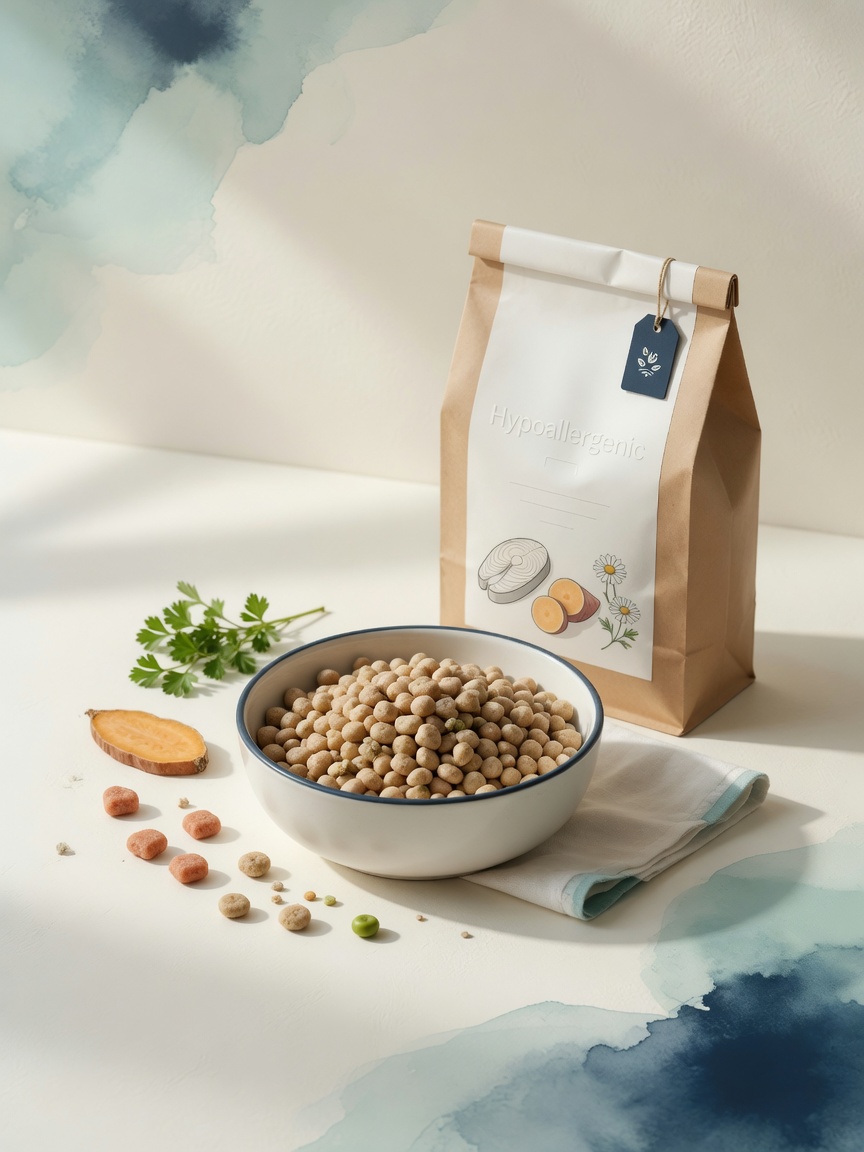
Best Hypoallergenic Dog Food: A 2026 Buyer’s Guide
Best Hypoallergenic Dog Food: A 2026 Buyer's Guide
Disclosure: Honest Pet Care participates in affiliate programs. We may earn a commission if you buy through our links, at no extra cost to you.
Dog owners often seek hypoallergenic formulas when pets show chronic itching, ear infections, or digestive upset tied to food sensitivities. Google Trends data shows searches for “hypoallergenic dog food” rose roughly 28% year-over-year through 2025.
Quick-Picks Table
| Product | Type | Why It Wins |
|---|---|---|
| Royal Canin Canine Hypoallergenic | Veterinary hydrolyzed | Extensively hydrolyzed soy protein minimizes immune response |
| Hill's Prescription Diet z/d Original | Veterinary hydrolyzed | Clinically shown to reduce skin and GI signs in 21-day trials |
| Purina Pro Plan Veterinary Diets HA Hydrolyzed | Veterinary hydrolyzed | Single hydrolyzed protein source plus balanced omega fatty acids |
| Blue Buffalo Basics Limited Ingredient Salmon & Potato | Over-the-counter limited | Novel protein with no chicken, beef, or grains for mild cases |
| Natural Balance Limited Ingredient Diet Sweet Potato & Fish | Over-the-counter limited | Short ingredient list focused on fish and sweet potato |
What to Look For
- Hydrolyzed or novel proteins (duck, fish, kangaroo) that the immune system is unlikely to recognize.
- Limited-ingredient lists under 10–12 items with transparent sourcing.
- Added omega-3 fatty acids (EPA/DHA) to support skin barrier function.
- AAFCO complete-and-balanced statement plus feeding trials when possible.
What to Avoid
- Unlisted “by-products” or generic “animal fat” that may hide allergens.
- Artificial colors, flavors, or excessive fillers like corn gluten when allergies are suspected.
- Over-the-counter “grain-free” marketing without confirming the protein source is truly novel.
Product Reviews
Royal Canin Canine Hypoallergenic
Pros: Strong clinical backing, palatable kibble, widely available through vets.
Cons: Requires prescription, higher cost per pound than grocery brands.
Hill's Prescription Diet z/d Original
Pros: Proven results in reducing pruritus within three weeks for many dogs.
Cons: Prescription only, some dogs need time to accept the texture.
Blue Buffalo Basics Limited Ingredient Salmon & Potato
Pros: No prescription needed, includes prebiotic fiber for digestion, widely stocked.
Cons: Not hydrolyzed, so less effective for severe allergies; watch for cross-contamination in manufacturing.
FAQ
How do I know if my dog needs hypoallergenic food?
A veterinary elimination diet trial lasting 8–12 weeks is the only reliable method; blood or saliva tests are not considered diagnostic.
Can I switch to an over-the-counter limited-ingredient food instead of prescription?
Mild cases sometimes respond, but moderate-to-severe allergies usually require hydrolyzed protein under veterinary supervision.
How long until I see improvement?
Most owners notice reduced scratching within 4–6 weeks once the correct diet is strictly followed.
Bottom Line Recommendation
Start with a veterinary exam to rule out environmental or contact allergies. For confirmed food sensitivities, begin with a hydrolyzed prescription option such as Royal Canin Canine Hypoallergenic or Hill's z/d. Transition over seven days, keep the diet exclusive, and re-evaluate with your vet after eight weeks.
We may earn a small commission if you purchase through our links — at no extra cost to you.
Check prices on Amazon