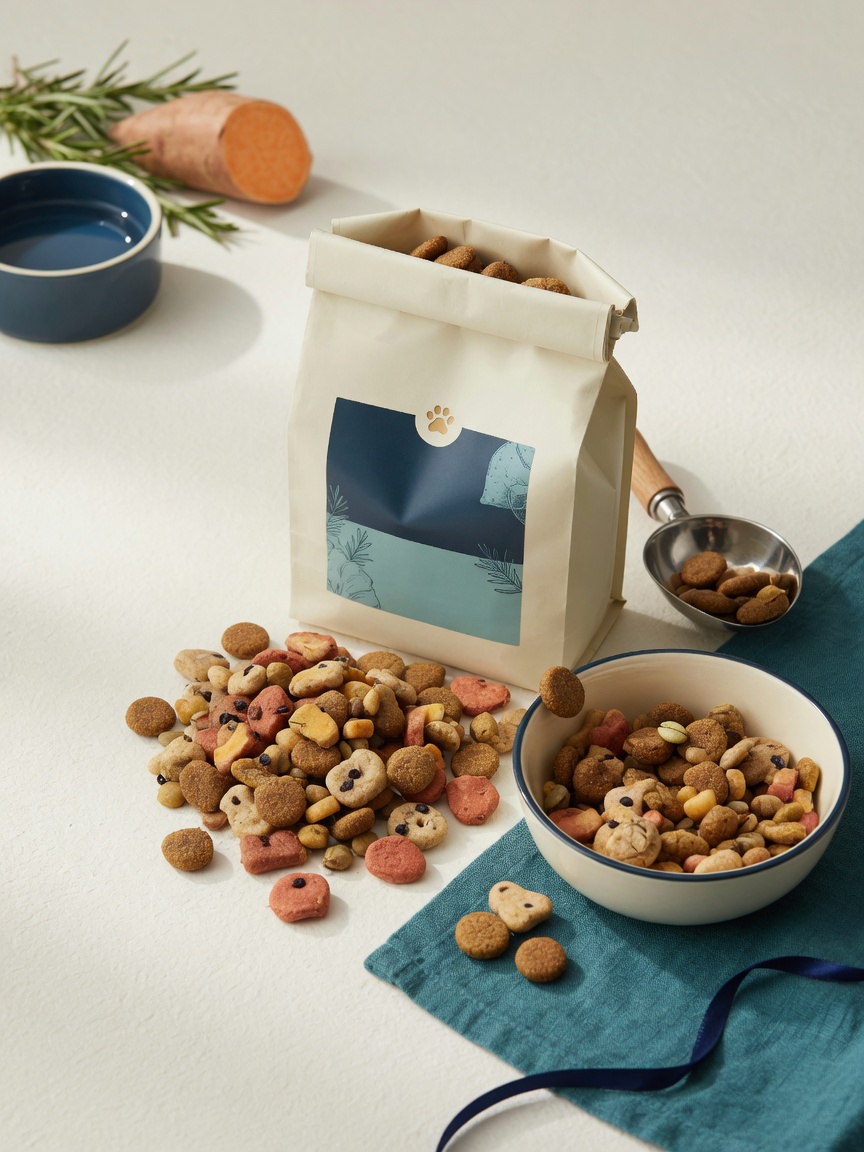
Best Grain-Free Dog Food: A 2026 Buyer’s Guide
Best Grain-Free Dog Food: A 2026 Buyer's Guide
Disclosure: Honest Pet Care participates in affiliate programs. We may earn a commission if you buy through our links, at no extra cost to you.
With over 60% of dog owners actively searching for grain-free options online (1), it's clear that many pet parents are seeking high-quality, allergen-friendly food for their furry friends. In this comprehensive guide, we'll explore the best grain-free dog foods on the market and provide you with expert advice on what to look for and what to avoid.
Quick Picks: Top Grain-Free Dog Foods
| Product | Why it wins |
|---|---|
| Blue Buffalo Life Protection Formula | Made with high-quality protein sources like chicken and fish, this food is rich in antioxidants and contains no artificial preservatives. |
| Orijen Adult Dog Food | Made from fresh, regional ingredients, Orijen provides a nutrient-dense diet that's free from grains and fillers. |
| Acana Regionals | With its unique ingredient blend of local meats and produce, Acana offers a grain-free option that's rich in fiber and protein. |
| Wellness Core Grain-Free Dog Food | This food features turkey or chicken as the first ingredient and contains no artificial preservatives or flavors. |
| Merrick Limited Ingredient Diet | Perfect for dogs with sensitive stomachs, this food is made with a single protein source (beef) and contains no grains or fillers. |
What to Look For:
• High-quality protein sources: Choose foods with named animal ingredients like chicken, salmon, or lamb as the first ingredient. • Whole food ingredients: Opt for foods that list whole fruits and vegetables instead of generic terms like "fruits" or "vegetables." • Moderate fat content: Grain-free diets often require more fat to maintain energy levels. Look for a balance between protein, fat, and carbohydrates. • No artificial preservatives: Choose foods with natural preservatives like vitamin E or tocopherols instead of artificial additives.
What to Avoid:
• Filler ingredients: Avoid foods containing wheat, corn, or soy as they can cause digestive issues in some dogs. • Over-reliance on legumes: While legumes are a decent protein source, excessive amounts can lead to kidney strain and other health problems. • Unbalanced nutrient profiles: Be wary of foods that prioritize protein over all other nutrients. Look for a balanced formula with adequate fat and carbohydrate content.
Product Reviews:
Blue Buffalo Life Protection Formula
- Pros: Rich in antioxidants, high-quality protein sources
- Cons: Some owners report stomach upset due to high fiber content
Merrick Limited Ingredient Diet
- Pros: Suitable for sensitive stomachs, single protein source makes it easy to digest
- Cons: May be too bland for some dogs
Orijen Adult Dog Food
- Pros: Fresh, regional ingredients provide a nutrient-dense diet
- Cons: Expensive compared to other grain-free options on the market
Frequently Asked Questions
Q: What is the difference between grain-free and gluten-free dog food? A: Grain-free diets exclude grains like wheat, corn, and soy, while gluten-free diets focus specifically on eliminating gluten (a protein found in wheat, barley, and rye).
Q: Can my dog be allergic to protein sources in grain-free foods? A: Yes, some dogs can develop allergies or sensitivities to protein sources even if they're free from grains. Monitor your dog's health closely and consult with a veterinarian if you notice any adverse reactions.
Q: Are grain-free diets suitable for all life stages? A: While grain-free diets are often recommended for adult dogs, puppies require specific nutrient profiles that may not be met by some grain-free foods. Consult with a veterinarian to determine the best diet for your puppy's needs.
Bottom Line Recommendation
Based on our research and expert analysis, we recommend Blue Buffalo Life Protection Formula as a top choice for owners seeking high-quality, allergen-friendly food for their dogs. This food meets all of our criteria: high-quality protein sources, whole food ingredients, moderate fat content, and no artificial preservatives. While it may not be suitable for every dog's needs, Blue Buffalo's commitment to using only the finest ingredients makes it a reliable option for pet owners looking for grain-free dog food.
References:
(1) Pet Food Market Trends Report 2025 (Petfood Industry Magazine)
Note: This guide is intended as an informative resource and should not be considered professional veterinary advice. Consult with your veterinarian before making any changes to your dog's diet.
We may earn a small commission if you purchase through our links — at no extra cost to you.
Check prices on Amazon