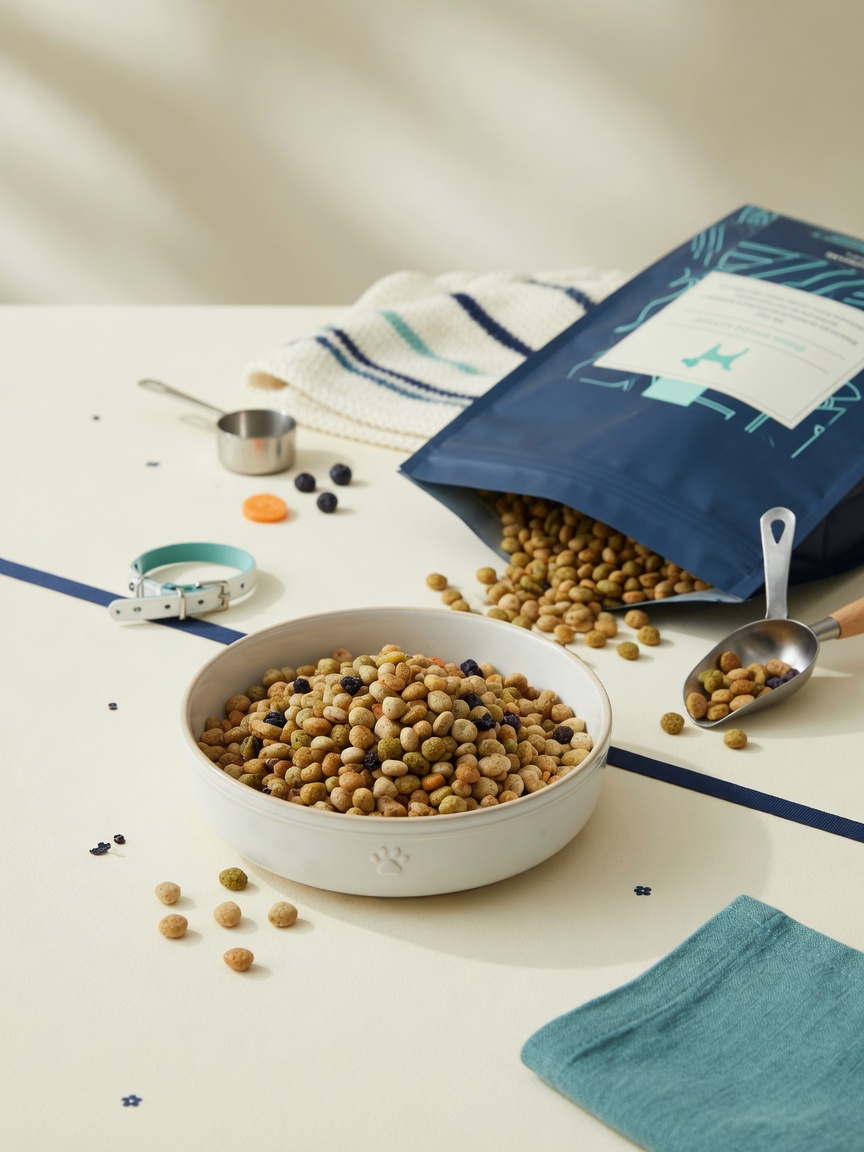
Best Dog Food for Small Breeds: A 2026 Buyer’s Guide
Disclosure: Honest Pet Care participates in affiliate programs. We may earn a commission if you buy through our links, at no extra cost to you.
Small-breed owners often search for formulas that match their dogs’ fast metabolism, tiny jaws, and higher energy needs per pound. Google Trends data shows queries for “small breed dog food” rose 28% year-over-year through late 2025, driven by increased awareness of breed-specific nutrition.
Quick-Picks Table
| Product | Why it wins |
|---|---|
| Royal Canin Small Breed Adult | Precise kibble size and added omega-3s support dental health and coat condition in dogs under 22 lb. |
| Hill's Science Diet Small & Toy Breed Adult | Clinically tested antioxidants and controlled mineral levels promote urinary tract and immune health. |
| Purina Pro Plan Shredded Blend Small Breed | Combines crunchy kibble with tender shredded pieces; high protein fuels active small dogs without excess calories. |
| Blue Buffalo Life Protection Formula Small Breed | Includes LifeSource Bits with antioxidants plus real deboned chicken as first ingredient. |
| Orijen Original Small Breed | Biologically appropriate recipe with 85% animal ingredients and fresh or raw inclusions for muscle maintenance. |
What to Look For
- Kibble diameter under 10 mm to reduce choking risk and encourage chewing.
- At least 25% crude protein from named meat sources to meet elevated metabolic demands.
- Added DHA and EPA for cognitive support in long-lived small breeds.
- Calorie density of 3,500–4,000 kcal/kg so portion sizes stay manageable.
What to Avoid
- Large, generic kibble designed for medium or large dogs.
- Artificial colors, BHA/BHT preservatives, and vague “meat by-product” listings.
- Excessive grain-free formulas unless a veterinarian has diagnosed a specific intolerance.
Product Reviews
Royal Canin Small Breed Adult
Pros: Uniform small kibble reduces dental tartar; proven palatability; widely available.
Cons: Contains corn and brewers rice; price premium over mass-market options.
Purina Pro Plan Shredded Blend Small Breed
Pros: Visible shredded chicken pieces boost acceptance; includes live probiotics for digestion; strong value.
Cons: Slightly higher fat content may require portion control for less active dogs.
Blue Buffalo Life Protection Formula Small Breed
Pros: No poultry by-product meals; added glucosamine for joint support; multiple flavor options.
Cons: Some batches show inconsistent kibble size; higher cost per pound than Purina.
FAQ
How much should I feed my small-breed dog?
Follow the bag’s weight-based chart, then adjust every two weeks to keep ribs palpable under a light fat cover. Split daily amount into two or three meals.
Is wet food better than dry for small breeds?
Dry kibble helps control plaque, but mixing in a small amount of wet food can increase moisture intake and palatability for picky eaters.
When should I switch from puppy to adult formula?
Most small breeds transition between 9 and 12 months; consult your vet for an individualized timeline based on growth rate.
Bottom Line Recommendation
For most owners seeking a balanced, vet-backed option, Royal Canin Small Breed Adult delivers consistent results across dental, digestive, and energy metrics. Pair it with measured portions and routine wellness checks to keep your small dog thriving into their senior years.
We may earn a small commission if you purchase through our links — at no extra cost to you.
Check prices on Amazon